


 Russian Drone Strike on Sumy Shopping Centre Kills Two
  Trump Calls for Five-Year George Washington Smithsonian Exhibit
  Gulf Ministers to Meet Iran in Oman Over Hormuz Shipping Deal
  Iran Attacks 10 Ships as Hormuz Conflict Escalates
  Russian Strikes Hit Kyiv as Ukraine Targets Russian Cities
  US Caribbean Vessel Strike Kills Three
  Russian Strikes Across Ukraine Kill Nine, Injure Dozens
  Israel Destroys Hezbollah Underground Network in Southern Lebanon
  White House Weighs Refined Copper Tariffs as Cost Concerns Grow
  Trump Says No Regrets Over Iran War Despite Midterm Risks
  CIA Chief Ratcliffe May Take Bigger Role in Ukraine Peace Talks
  Volkswagen Job Cuts Put Lower Saxony Leader Under Political Pressure
  Trump Vows to Keep U.S. Ahead of China in AI Race
  Kim Jong Un Praises North Korean Troops Fighting Overseas
  Trump Open to Chinese Automakers Building Cars in US
  Trump Rejects Saudi Request for U.S. Strikes on Houthis


 Add as a preferred source on Google
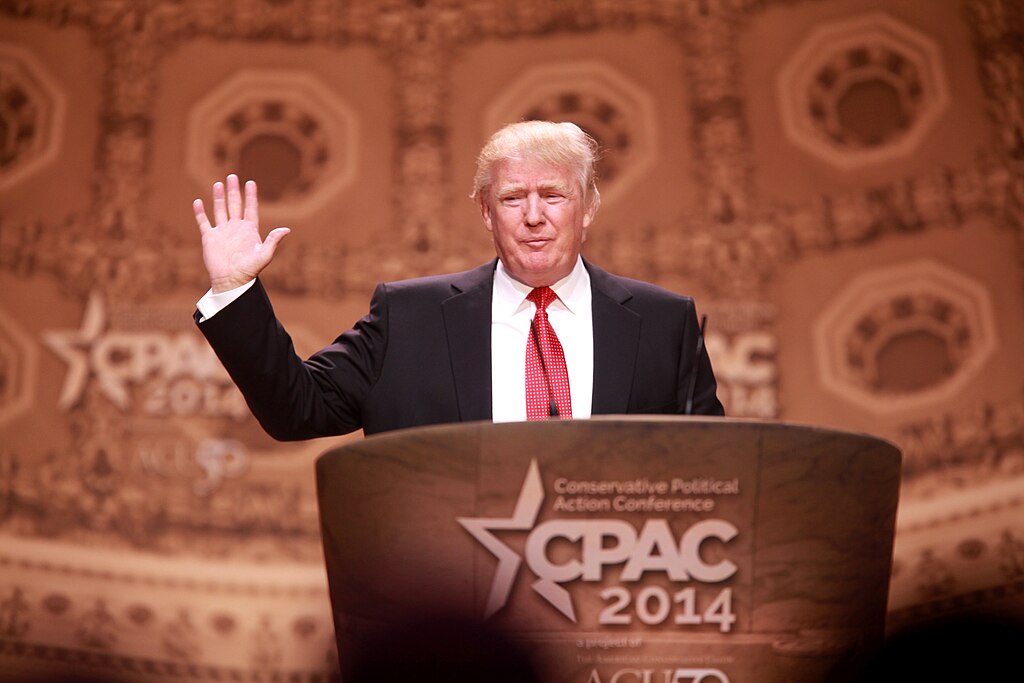
Donald Trump’s return to the presidency in 2025 has reignited debates over U.S.-China relations, with his administration unveiling a series of aggressive policies aimed at rebalancing the global economic and political landscape. The former president, known for his hardline approach to Beijing, has wasted no time in setting the tone for a contentious relationship, focusing on trade, military tensions, and technological competition.
Trade Relations Take Center Stage
Revisiting Tariffs and Supply Chains
One of Trump’s first moves was reinstating tariffs on Chinese imports, a hallmark of his earlier presidency. This time, the emphasis has shifted toward targeting industries critical to national security, such as semiconductors, rare earth minerals, and pharmaceuticals. According to White House officials, the administration aims to curtail China’s economic dominance while encouraging U.S. companies to diversify supply chains and invest domestically.
Critics argue, however, that the renewed tariffs could exacerbate inflation and strain global supply chains. A recent analysis by the Peterson Institute for International Economics warned that these policies might increase costs for American consumers, particularly in sectors heavily reliant on Chinese goods. Despite this, Trump’s supporters praise his commitment to holding Beijing accountable, with one social media user declaring, “Finally, a president who puts America first!”
Tech Decoupling and Export Controls
Beyond tariffs, Trump’s administration has expanded export controls on sensitive technologies, including artificial intelligence and quantum computing. The aim is to prevent China from acquiring tools that could bolster its military and surveillance capabilities. In response, Beijing has accused Washington of economic sabotage, fueling tensions in diplomatic circles.
Geopolitical Flashpoints: Taiwan and the South China Sea
Taiwan Policy Sparks Controversy
Trump has also taken a more assertive stance on Taiwan, emphasizing military support and pledging increased arms sales to the island. While his administration maintains that these measures are designed to deter Chinese aggression, Beijing views them as provocations, leading to heightened military drills near Taiwanese waters.
Critics warn that Trump’s approach could risk open conflict in the Indo-Pacific region. However, proponents argue that a firmer U.S. stance is necessary to uphold democratic values and maintain stability in the area. Twitter user @FreedomWatcher posted, “Trump isn’t backing down from China, and that’s the strength America needs right now.”
South China Sea Strategy
In addition to Taiwan, Trump has intensified freedom-of-navigation operations in the South China Sea. These maneuvers, conducted by the U.S. Navy, aim to challenge China’s territorial claims and safeguard international shipping lanes. Beijing has condemned these actions as violations of its sovereignty, further straining diplomatic ties.
Netizens React: A Nation Divided
- @PatriotPride: “Finally, someone standing up to China! Trump is the leader we need in these challenging times.”
- @GlobalObserver: “Trade wars aren’t diplomacy. Trump’s policies could lead us down a dangerous path.”
- @TechShield: “Limiting China’s access to sensitive tech is smart, but will it hurt innovation in the long run?”
- @EcoAdvocate: “More tariffs mean more inflation. How is this helping everyday Americans?”
- @DefenseHawk: “Trump’s Taiwan policy is bold, but will Beijing see it as a line they can’t cross?”
- @TradeGuru: “If supply chains diversify, it could create jobs at home. Let’s hope this pays off.”







